

Emirates restores 96pc of global network with 137 destinations and rising capacity
Dubai airline rebuilds routes across continents after weeks of disruption
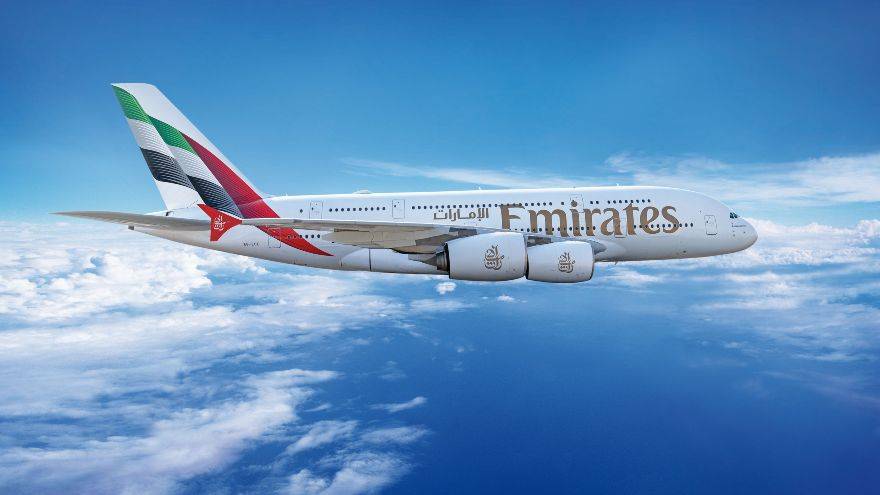
DUBAI – Emirates has moved close to a full operational recovery, restoring 96 percent of its global network following weeks of disruption that reshaped air travel across key regions.
The airline has steadily reinstated services spanning the Americas, Europe, Africa, West Asia, the Middle East, the Far East and Australasia. The rebound underscores both the resilience of global aviation demand and Dubai’s central role in international connectivity.
At present, Emirates operates to 137 destinations across 72 countries, running more than 1,300 weekly flights. This represents around 75 percent of its pre-disruption capacity, with additional frequencies and seat availability being introduced daily as the airline rebuilds its schedule.
Emirates network
The scale of Emirates’ recovery highlights the speed at which routes have been reintroduced following operational constraints earlier this year. Even during a reduced schedule, the airline carried 4.7 million passengers, reflecting sustained traveller demand and continued reliance on its network.
The progressive restoration of services has expanded travel options significantly, reconnecting major global corridors while reinforcing Dubai’s position as a key transit hub linking east and west. Increased frequencies are being rolled out in line with operational feasibility and demand patterns.
Dubai flights
Operations at Dubai International Airport have also entered a decisive recovery phase after maintaining services through a period of constrained regional airspace. With UAE airspace now fully reopened, flight movements are increasing as airlines, led by Emirates, rebuild their schedules.
Dubai Airports is scaling up capacity while coordinating closely with regional aviation authorities to manage traffic flows beyond national airspace. The pace of recovery remains linked to the availability of flight paths across neighbouring regions, requiring continuous alignment across multiple jurisdictions.
This phase is supported by the oneDXB ecosystem, bringing together airlines, service partners and authorities to restore operations efficiently. Home carriers Emirates and flydubai are central to this effort, alongside international operators resuming services into the hub.
System resilience
The disruption, which began on 28 February and intensified through March, placed sustained pressure on aviation systems across the region. Despite this, Dubai’s airports remained operational, adapting schedules and ground operations in response to rapidly changing conditions.
Coordinated decision-making ensured continuity of service, allowing the hub to handle shifting passenger volumes and maintain safe operations. The experience highlighted the importance of Dubai’s role in global transfer traffic, where efficiency and reliability are critical.
Of the 99.3 million journeys that can be routed through the region, around 70 percent are handled by Middle Eastern hubs. Dubai alone accounts for 32 percent of that traffic.